
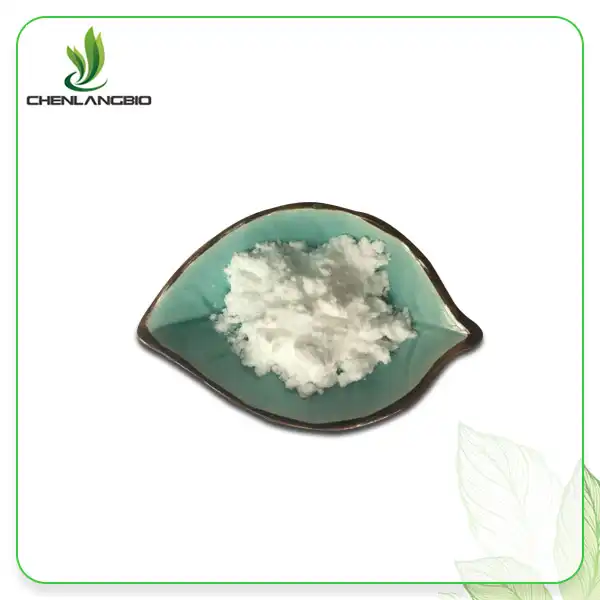
Alkaline Protease Enzyme
MOQ: 1Kg
Enzyme Activity: 100,000 u/g, 200,000 u/g.
Ship Time: Within 2~3 working days after you order
Stock: 1000 Kg
Service: We can manufacturer for you if you need higher activity
Functions: Detergent, food, medical, brewing, silk, leather and other industries.
Shipping time: Within 2~3 working days after you order
Payment way: Bank Transfer, Western Union, L/C and so on.

- Fast Delievery
- Quality Assurance
- 24/7 Customer Service
Product Introduction
CHEN LANG BIO TECH supplies alkaline protease enzyme for industrial processes that require efficient protein breakdown under alkaline conditions. This microbial enzyme preparation is designed for applications such as detergent formulations, leather processing, silk degumming and industrial protein hydrolysis, where stable proteolytic activity is needed at elevated pH.
Our alkaline protease powder is produced through microbial fermentation and works by hydrolyzing peptide bonds in protein substrates, converting larger protein structures into smaller peptides and amino acids. As an alkaline serine protease, its catalytic activity depends on a serine residue in the active center. It is suitable for manufacturers looking for a practical, process-oriented protease for alkaline systems rather than a general-purpose enzyme with limited pH tolerance.
For bulk orders, CHEN LANG BIO TECH can provide product specifications, COA, TDS, SDS, sample evaluation and international supply support.
Alkaline Protease Product Specifications
|
Item |
Specification |
|
Product Name |
Alkaline Protease |
|
Enzyme Type |
Alkaline Serine Protease |
|
Source |
Microbial fermentation |
|
Appearance |
Powder |
|
Enzyme Activity |
Available according to product specification |
|
Working pH Range |
Typically suitable for alkaline processing conditions |
|
Preferred pH Range |
Approximately pH 9–11 |
|
Stability Range |
Generally stable around pH 6–10; activity decreases rapidly outside the suitable range |
|
Main Function |
Hydrolysis of protein peptide bonds |
|
Packaging |
1 kg/bag, 25 kg/drum, or customized packaging |
|
Storage |
Keep tightly sealed in a cool, dry place, protected from moisture, direct sunlight and excessive heat |
|
Shelf Life |
24 months under recommended storage conditions |
Actual enzyme activity, pH profile and application conditions should be confirmed against the current batch specification. For industrial buyers, we recommend evaluating the enzyme under the real process conditions of the intended formulation before scale-up.
What Is Alkaline Protease?
Alkaline protease is a proteolytic enzyme that catalyzes the hydrolysis of proteins under alkaline conditions. Unlike neutral proteases, which perform best around neutral pH, alkaline proteases are selected when the process environment itself is alkaline and the enzyme must retain useful activity in that range.
Most commercial microbial alkaline protease preparations are produced through controlled fermentation using selected microorganisms. Bacillus species are widely used because they can produce extracellular proteases with strong activity and good industrial process compatibility.
The main role of alkaline protease is to break peptide bonds within protein molecules. Large and structurally complex proteins are therefore converted into smaller peptides and, with further hydrolysis, amino acids. This makes protein residues easier to remove, separate or process in applications such as detergent cleaning, leather treatment, silk degumming and protein hydrolysis.
The enzyme is substrate-specific. It acts on protein structures rather than starch, oils or other non-protein materials, which is why it is commonly used as one part of a broader enzyme system when different types of organic residues need to be treated.
How Does Alkaline Protease Work?
The function of alkaline protease enzyme is based on proteolysis. The enzyme recognizes peptide bonds within proteins and catalyzes their hydrolysis in the presence of water. This reduces large protein molecules into shorter peptide chains and smaller fragments.
As a serine protease enzyme, alkaline protease contains a serine residue that plays a central role in the catalytic mechanism. Its efficiency depends not only on the enzyme itself but also on the surrounding process conditions, particularly pH, temperature, substrate type, enzyme concentration and reaction time.
In practical terms, this means alkaline protease performance should not be judged by enzyme activity alone. A product with high declared activity may still perform poorly if the formulation pH is outside its working range or if other ingredients interfere with enzyme stability. For this reason, industrial selection should always consider both activity and compatibility with the final process.
Alkaline Protease Applications
The main value of industrial alkaline protease comes from its ability to break down protein efficiently in alkaline environments. Different industries use this same biochemical function for different processing goals.
•Alkaline Protease for Detergent Formulations
One of the most common applications is alkaline protease for detergent formulations. Protein-based stains such as blood, milk, egg, meat residues and other food soils can bind strongly to textile fibers and may not be removed efficiently by surfactants alone.
A protease enzyme for detergent hydrolyzes these protein deposits into smaller and more water-dispersible fragments, which makes them easier to remove during the washing cycle. Because many laundry and cleaning systems operate under mildly to moderately alkaline conditions, enzyme stability in this environment is particularly important.
When selecting a detergent protease enzyme, formulators should consider not only the activity level but also compatibility with surfactants, builders, oxidizing agents and other enzymes in the finished formulation.
•Alkaline Protease for Leather Processing
Alkaline protease for leather is used where controlled protein removal can improve processing efficiency. Leather contains different structural proteins, and protease can help break down selected non-collagen protein components during stages such as dehairing or bating, depending on the process design.
Compared with purely chemical treatment, enzymatic processing can offer better process control when the correct enzyme dosage, reaction time and pH are maintained. Excessive proteolysis should be avoided because uncontrolled enzyme action may affect the integrity of the hide.
For this reason, protease enzyme for leather industry applications generally require careful optimization rather than a fixed universal dosage.
•Alkaline Protease for Silk Degumming
In silk processing, alkaline protease for silk degumming can be used to hydrolyze sericin, the proteinaceous gum surrounding fibroin fibers.
Traditional degumming often relies on alkaline chemicals and heat. Enzymatic treatment offers a more selective route because protease acts specifically on protein structures. When properly controlled, this can support sericin removal while reducing unnecessary damage to the underlying silk fiber.
The effectiveness of enzymatic degumming depends on pH, temperature, enzyme concentration, treatment time and the physical characteristics of the silk material.
•Alkaline Protease for Protein Hydrolysis
Alkaline protease for protein hydrolysis is used in processes where larger proteins need to be converted into smaller peptides or amino acid fractions.
This can be relevant in different industrial processing systems, depending on the raw material and the desired degree of hydrolysis. The final hydrolysis profile is influenced by the type of protein, enzyme activity, reaction pH, temperature, enzyme-to-substrate ratio and treatment time.
A protease enzyme for protein hydrolysate production should therefore be selected according to the characteristics of the target protein rather than based on nominal enzyme activity alone.

How to Choose Alkaline Protease for Your Application
The right alkaline protease enzyme depends on the actual production environment. Buyers should compare several factors before selecting a grade or activity level.
Enzyme Activity
Higher activity can reduce the amount of enzyme required, but activity value alone does not determine processing performance. Two products with the same U/g specification may behave differently under different pH, temperature or formulation conditions.
Working pH
The most important first step is to compare the enzyme’s operating range with the process pH. If the system is outside the recommended range, proteolytic efficiency and stability may fall sharply.
For this reason, alkaline protease pH range is often more useful for product selection than a single optimum pH value.
Processing Temperature
Temperature affects both reaction speed and enzyme stability. Increasing temperature may initially accelerate hydrolysis, but excessive heat can cause enzyme denaturation and rapid activity loss.
Protein Substrate
Different proteins vary in structure, solubility and susceptibility to hydrolysis. An enzyme that performs well on one substrate may require different conditions for another.
Formulation Compatibility
In detergent and other formulated systems, alkaline protease may interact with surfactants, salts, chelating agents, oxidants or other enzymes. Compatibility should be evaluated in the final formulation rather than only in a simple laboratory buffer.
Dosage and Reaction Time
There is no single universal alkaline protease dosage. The required amount depends on enzyme activity, substrate concentration, pH, temperature, process time and the desired degree of hydrolysis. Pilot testing is usually the most reliable way to determine an economical working dosage.
Packaging and Storage
Our alkaline protease powder is normally packed as:
•1 kg per bag
•25 kg per drum
•Double plastic bags inside the outer drum
•Customized packaging may be available for bulk orders
The enzyme should be stored in tightly sealed, light-resistant containers in a cool and dry place. Avoid direct sunlight, high humidity and excessive heat, as prolonged exposure to unfavorable conditions can reduce enzyme activity.
The recommended shelf life is 24 months when stored under appropriate conditions.

Bulk Alkaline Protease Enzyme Supply
CHEN LANG BIO TECH supplies bulk alkaline protease enzyme for industrial customers, distributors and formulation companies serving different markets.
As an alkaline protease supplier, our focus is not only on supplying enzyme powder but also on providing the documentation and product information needed for commercial evaluation. Depending on the order and market requirements, we can provide product specifications, COA, TDS, SDS, sample support and bulk packaging information.
For buyers comparing different enzyme sources, batch consistency and verified activity are more important than a high specification on paper. Enzyme performance should remain reproducible from batch to batch, particularly in applications where dosage and process parameters are already standardized.
We therefore recommend that customers provide the intended application when requesting a quotation. Knowing whether the enzyme will be used in detergent, leather processing, silk degumming or protein hydrolysis allows the product discussion to focus on the most relevant performance factors.
Why Source Alkaline Protease from CHEN LANG BIO TECH?
For industrial enzyme buyers, the main concern is whether the product can be evaluated, documented and supplied consistently.
CHEN LANG BIO TECH supports B2B customers with:
•Controlled product specifications and enzyme activity testing
•COA, TDS and SDS documentation
•Sample availability for laboratory or formulation testing
•Bulk supply for industrial purchasing
•Flexible packaging options
•International order support
•Application-oriented communication before scale-up
If you are looking for an alkaline protease powder supplier for a specific industrial process, send us your required activity, application, estimated quantity and destination market. We can then provide the relevant product specification and quotation.
Frequently Asked Questions About Alkaline Protease
What is alkaline protease used for?
Alkaline protease is mainly used to hydrolyze proteins under alkaline conditions. Typical industrial applications include detergent formulations, leather processing, silk degumming and protein hydrolysis.
What pH does alkaline protease work best at?
Many alkaline proteases perform best around pH 9–11, although the exact alkaline protease pH range depends on the enzyme preparation. Stability may decrease quickly outside the recommended range, so the current product specification should always be checked before formulation.
Is alkaline protease a serine protease?
Yes. Many commercial alkaline proteases belong to the serine protease family because a serine residue plays a key role in the enzyme’s active center.
What is the difference between alkaline protease and neutral protease?
The main difference is their preferred pH environment. Alkaline protease is selected for alkaline processing systems, while neutral protease is generally used closer to neutral pH. Both hydrolyze proteins, but their stability and performance differ under different process conditions.
Can alkaline protease be used in detergent formulations?
Yes. Alkaline protease for detergent is widely used to break down protein-based stains such as blood, milk, egg and food residues. The enzyme should be tested for compatibility with the final detergent system.
How do I choose the right alkaline protease activity?
Select activity together with process conditions, not independently. The correct grade depends on substrate type, pH, temperature, dosage target, reaction time and desired hydrolysis level.
What dosage of alkaline protease should I use?
There is no universal dosage. Alkaline protease dosage should be determined through application testing because enzyme activity, substrate concentration, pH, temperature and reaction time all affect the required amount.
Can I request a sample and COA before placing a bulk order?
Yes. CHEN LANG BIO TECH can provide sample support and product documentation, including COA and technical information, for customers evaluating bulk alkaline protease for commercial applications.
Request an Alkaline Protease Sample or Quotation
If you are evaluating alkaline protease enzyme for detergent, leather processing, silk degumming, protein hydrolysis or another industrial application, contact CHEN LANG BIO TECH for product specifications, sample availability and bulk pricing.
To help us recommend the most suitable grade and provide an accurate quotation, please include:
•Intended application
•Required enzyme activity
•Estimated order quantity
•Destination country
•Preferred packaging
•Any special specification or documentation requirements
Email: admin@chenlangbio.com
WhatsApp: +86-17782478823
For bulk orders, distributor inquiries or application-specific requirements, you can also contact us directly for the latest alkaline protease price, lead time and shipping information.
Contact CHEN LANG BIO TECH for a sample, COA or quotation for bulk alkaline protease enzyme.
Send Inquiry
You may like